Table of Contents
Remote work often looks ideal at first glance, but once you’re living it, reality sets in. While working remotely can offer flexibility, greater control over your time, and even better work–life balance, it also comes with trade-offs that are rarely shown online. We see digital nomads relaxing on white-sand beaches in tropical countries, seemingly living the dream.
But in reality, most remote workers still follow strict schedules aligned with their company’s time zone. Many work late at night, which usually involves 3 AM Zoom calls, often at the expense of their health and time with family or friends. Like any other career path, being a digital nomad has both advantages and disadvantages. If you choose this lifestyle, selecting the right home base is not optional — it’s one of the most critical decisions you’ll make as a digital nomad.
Choosing a Home Base: What Actually Affects Daily Remote Work (And it’s not just fast Wi-Fi)
Before you consider a home base in Southeast Asia, make sure you have a job that allows you to work remotely or have an established client base as a freelancer. Then, you can choose the city or town based on the time zone, cost of living, housing, healthcare, and the internet. Here is a guide to help you choose your home base in Southeast Asia before you save your funds, get that visa, and book a flight.
Timezone & Work Alignment
Almost all remote jobs are based in regions far from Southeast Asia, which means working outside local daytime hours. This means that it will disrupt your sleep, health, and social life. Research shows that night shift work can disrupt the body’s natural sleep cycle and circadian rhythm, leading to poorer sleep quality and metabolic changes associated with long-term health risks (source).
I say this not to discourage you, but to highlight that there are ways to make this lifestyle sustainable. Some remote workers negotiate their schedules to include just three to four overlapping hours for meetings, allowing the rest of their workday to happen asynchronously. This setup works especially well for roles involving writing, design, or strategy, where deep focus matters more than constant availability.
If you plan to make Southeast Asia your home base, be it Bali, Chiang Mai, or Da Nang, time zone and work alignment are not optional. They can shape your health, relationships, and long-term ability to do remote work.
Cost of Living & Income Stability
The good thing about working in Southeast Asia as a digital nomad is the cost of living. It is widely known as the most budget-friendly region. Monthly expenses usually range from US$800 to US$2500, depending on the area and lifestyle you wish to have. Vietnam is the most affordable, while Singapore is the most expensive.
| Country | Monthly Budget | Why Choose This Base? |
| Vietnam | $700 – $1,200 | Affordability, incredible street food, and high-value for high-speed fiber |
| Thailand | $1,200 – $2,200 | Great infrastructure for digital nomads, flexible visa options, and world-class healthcare |
| Indonesia | $1,100 – $1,800 | Wellness culture, great community, and accessible long-stays |
| Philippines | $1,000 – $1,600 | English fluency, off-grid beauty, budget-friendly in some areas |
| Malaysia | $1,000 – $1,500 | Best infrastructure, diverse culture, and excellent English |
| Singapore | $3,500 – $5,000+ | Most expensive but with world-class infrastructure and global networking |
These budgets cover rent, utilities, transportation, and lifestyle, but a $2000 per month budget is a sweet threshold to live more comfortably, including an air-conditioned room and healthcare insurance. Just like in any other job, make sure your savings can cover your expenses for at least 3 months, and have 2-3 steady long-term clients for stability.
Internet Reliability & Power Stability
For all of us working online, we know the value of reliable internet and stable power. We even see a lot of online discussions about backup options, power stations, and uninterruptible power supply (UPS). There is no surprise that Singapore is the first on the list. According to the Speedtest Global Index 2026, several ASEAN neighbors have made massive leaps in broadband infrastructure, with Vietnam making an impressive jump into the Top 10 global fixed broadband ranking.
ASEAN Broadband Speed Rankings:
1. Singapore
2. Vietnam
3. Thailand
4. Malaysia
5. Philippines
6. Brunei
7. Laos
8.Cambodia
9. Indonesia
10. Myanmar
The Hidden Dealbreaker
High download speeds sound great, but electrical reliability will dictate your actual workday. In general, Power stability in Southeast Asia falls into three categories.
- High Reliability with Minor Disruptions
These are Singapore, Malaysia, and major Thai cities where outages are rare. - Generally Reliable with Minor Disruptions
Da Nang and Ho Chi Minh in Vietnam, Manila and Cebu in the Philippines, and Jakarta in Indonesia fall into this category, where urban centers have solid grids, but local brownouts or weather can affect the power. Having a small UPS for your Internet will give you peace of mind. - Backup Required
In coastal towns or remote island hubs like Siargao, or rural Laos and Cambodia, record higher outage frequencies. A portable station and a backup cellular hotspot are essentials.
Daily Life Logistics (Underrated but Crucial)
Weather doesn’t just cause internet and power disruptions, it will also be a huge factor in your everyday living. Southeast Asian countries are known for their generally warm tropical climate, so the ease of getting around the city or country is another point you have to consider.
| Country | Kinds of Transportation available | Weather and Walkability | Cost and Payment |
| Singapore | MRT subway, Buses, Walking | Hot/Humid and Rainy: Reliable trains almost cover the whole island, and bus networks are connected to MRTs. There are covered links and underground pedestrian networks that make walking and transferring seamless. | Very low cost: $0.80-$2.20 USD for a single journey. Contactless payments are widely used. |
| Malaysia | LRT/MRT trains, Grab, e-hailing, Buses | Humid and Rainy: Integrated trains, but transferring may sometimes require going outside of the stations. Major districts are pedestrian-friendly but drops in rural areas. | Very low cost: $0.25 to $1.35 USD per trip. Contactless payments are available. |
| Thailand | BTS/MRT (Bangkok, Tuk tuks, Taxis, Motorcycle taxis | Hot and Humid: Trains cover major areas in Bangkok. Motorcycle taxis and Tuk tuks are used to bypass heavy traffic. Most sidewalks are uneven and obstructed except for major shopping and central districts. | $0.50 to $1.85 USD for a single journey and motorcycle taxis. Cashless transactions are available but Tuk-tuks, or motorcycle taxis still use cash unless you have a Thai bank account. |
| Indonesia | MRT/LRT (Jakarta), Whoosh HSR, Gojek/Grab | Hot/Humid and Rainy: Hosts Whoosh, a high-speed rail. Grab and Gojek offer cars and motorcycle taxis. Also use motorcycles to cut through dense traffic. In tourist hubs, travelers rely on scooter rentals. Most sidewalks are narrow and blocked. | Very low cost: $0.22 to $0.90 USD on buses and MRT. Use of E-money is required for buses and trains. |
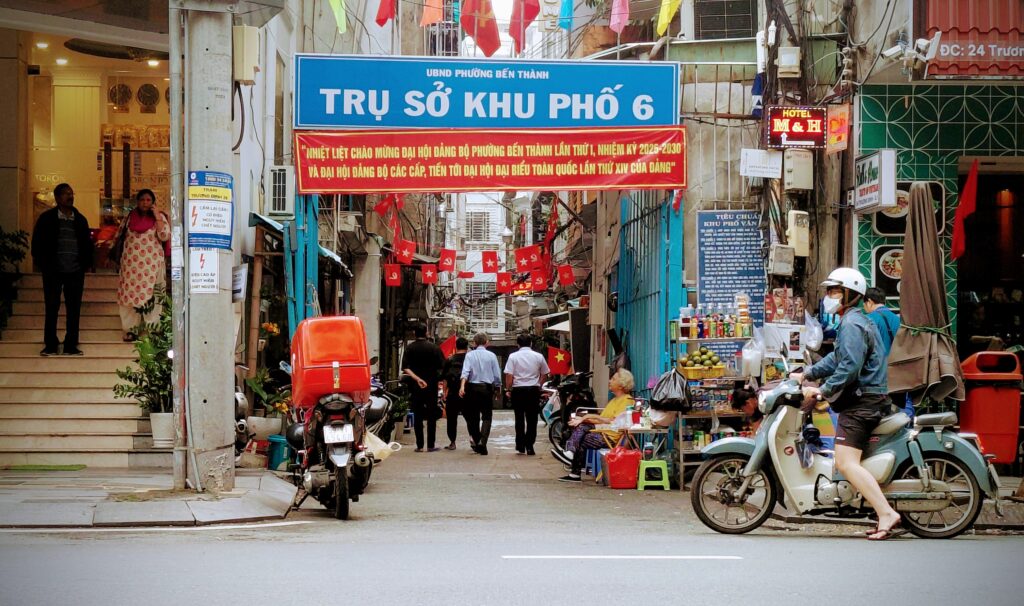
| Vietnam | Motorbike taxis, Ride-hailing, Buses | Weather varies by region. Urban rails and buses in major cities. Ride-hailing is most crucial. Many sidewalks are blocked by street food, shops, and scooters. | Very low cost. $0.28 to $0.60 USD per trip. Use of cash is more common. |
| Philippines | Jeepneys, Tricycles, Motorcycle taxis, Grab, MRT/LRT (Manila) | Hot/Humid and Rainy. Trains are very limited. Buses are more common. Tricycles in areas where buses can’t fit, and motorcycles to beat the notorious traffic. Sidewalks are narrow or blocked by utility poles, parked vehicles, or food stalls. | Very low cost: $0.23 to $2.60 USD. Use of e-wallets but cash is still more commonly used. |
At the end of the day, a daily life with low friction in logistics will save you much-needed energy for what really matters. After all, we work to enjoy, which leads us to the last thing on our list.
Community vs Solitude
- High-Community Hubs. Thailand and Indonesia have been the frontrunners and popular choices for digital nomads. Building a community is effortless with their available co-working spaces, co-living setups, and meetups. These are ideal if you are living solo and thriving in socializing.
- Solitude-Friendly Hubs: Cities like Da Nang and Luang Prabang, or coastal towns, offer fewer distractions, so you will need to be more intentional in socializing.
Test Before You Commit
We’ve discussed some factors that can affect your decisions in choosing your home base in Southeast Asia, but you can’t fully decide without trying it out yet. The best action is to plan your 1-3 month-stay, get short leases instead of a 1-year contract, and adjust your expectations. Looking at those posts of digital nomads seemingly having the best time of their lives or hearing stories from your friends will not give you the same understanding and experiences they’ve had.
Bottom line? Finding your ideal home base in Southeast Asia as a digital nomad is all about trial and error. Whether you choose the bustling streets of Vietnam, the serene beaches of Indonesia, or the vibrant culture of Thailand, it’s crucial to experience these places firsthand. Embrace the adventure of short stays, connect with locals, and discover what truly resonates with your lifestyle and work style. Ultimately, it’s about creating a balance that allows you to thrive, both personally and professionally.